1080p vs 720p: Choosing the Right Resolution for Your Needs in 2025
When choosing a camera system in 2025, it is important to think about resolution. This applies to buses, trucks, and other vehicles. Two common options are 1080p (Full HD) and 720p (HD). Both offer unique benefits, but choosing the right one depends on your specific needs, budget, and intended use. Here, we’ll explore the differences and help you make an informed decision.
Understanding 1080p and 720p Resolutions
- 1080p: Also known as Full HD, this resolution provides 1920×1080 pixels, offering sharp, detailed, and clear images. It is ideal for environments where high clarity is essential, such as monitoring license plates or ensuring safety in busy urban areas.
- 720p: Referred to as HD, this resolution delivers 1280×720 pixels. While it doesn’t match the sharpness of 1080p, it’s often sufficient for general monitoring purposes, particularly in less demanding scenarios.
Applications in Camera Systems
-
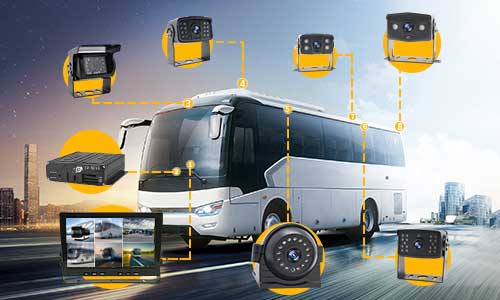
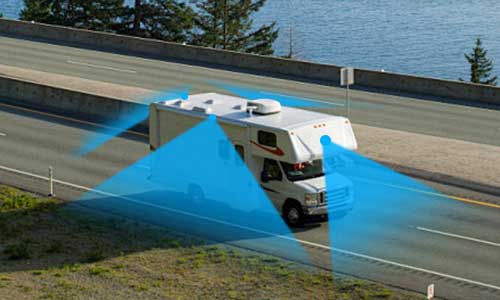
- A 1080p system is great for buses in busy cities or on highways. Clear visuals are important for spotting obstacles, pedestrians, and other vehicles.
- A 720p system works well for buses in small towns or rural areas. Here, image quality is not as important, making it a cost-effective choice.
-
Fleet and Truck Monitoring
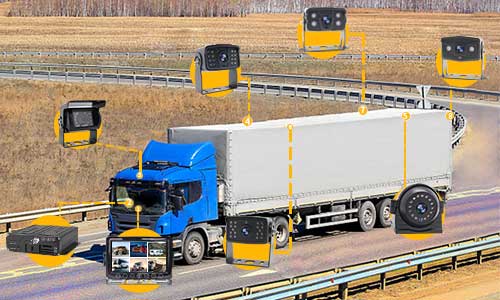
- Truck drivers who often drive at night or in bad weather benefit from 1080p cameras. These cameras offer better detail and visibility.
- For less critical monitoring, like tracking vehicle movement or ensuring passenger safety in controlled environments, 720p cameras offer sufficient quality.
-
Dash Cameras
- 1080p dash cameras are perfect for capturing road incidents or supporting insurance claims with crystal-clear footage.
- 720p dash cameras are a budget-friendly alternative for basic recording needs.
Key Considerations
-
Image Quality Needs
- If you require clear visuals for identifying small details like license plates or facial features, go for 1080p.
- For broader, less-detailed views, 720p is a practical choice.
-
Storage and Bandwidth
- 1080p footage consumes more storage and bandwidth due to its higher quality. Ensure your system has enough storage capacity and reliable connectivity if you choose this resolution.
- 720p footage, being lighter, is easier to store and transmit, making it suitable for systems with limited resources.
-
Cost
- 720p camera systems are more affordable, making them a good option for businesses or individuals on a tight budget.
- 1080p systems may cost more upfront, but their superior quality can prove invaluable for critical applications.
The Future of Resolution: Is 1080p Enough in 2025?
With advancements in technology, higher resolutions like 4K are becoming more common. However, for most vehicle camera systems, 1080p remains the sweet spot, balancing quality and affordability. 720p, while less sharp, still holds value for those with minimal needs or budget constraints.
Conclusion
Choosing between 1080p and 720p for your camera system in 2025 ultimately depends on your priorities. If clarity and detail are essential, invest in 1080p. If budget and storage are your main concerns, 720p can still meet your needs effectively.