Car rear cameras have become a standard feature in modern vehicles, offering drivers increased safety, visibility, and convenience. Whether you’re parking in a tight space, reversing out of a driveway, or navigating through traffic, car rear cameras provide real-time video assistance to help avoid accidents and improve driving confidence. Understanding the different types of rear cameras and their specific applications is essential for selecting the right system for your vehicle.
📷 Standard Rear View Cameras
The most common type, standard rear-view cameras, are mounted at the back of the vehicle and display a wide-angle view of the area directly behind. Typically activated when the car is in reverse gear, they are perfect for:
-
General backing and parking
-
Avoiding obstacles directly behind the vehicle
-
Enhancing driver awareness in tight spots
They are ideal for compact cars, sedans, and SUVs used in urban environments.
🔄 360-Degree Surround View Cameras
360-degree rear camera systems use multiple cameras placed around the vehicle to create a bird’s-eye view. The system stitches images together for a full visual of the car’s surroundings.
Best for:
-
Larger vehicles like trucks, vans, and RVs
-
Complex parking situations
-
Drivers seeking full situational awareness
These systems significantly reduce blind spots and are often found in premium vehicles.
🌙 Night Vision Rear Cameras
Designed with infrared (IR) LEDs or low-light sensors, night vision rear cameras provide clear visibility in low-light or dark conditions.
Ideal for:
-
Night-time driving and rural areas
-
Fleet and commercial vehicle operations
-
Drivers prioritizing safety at all hours
They enhance visibility when reversing in unlit locations.
💡 Wireless Rear Cameras
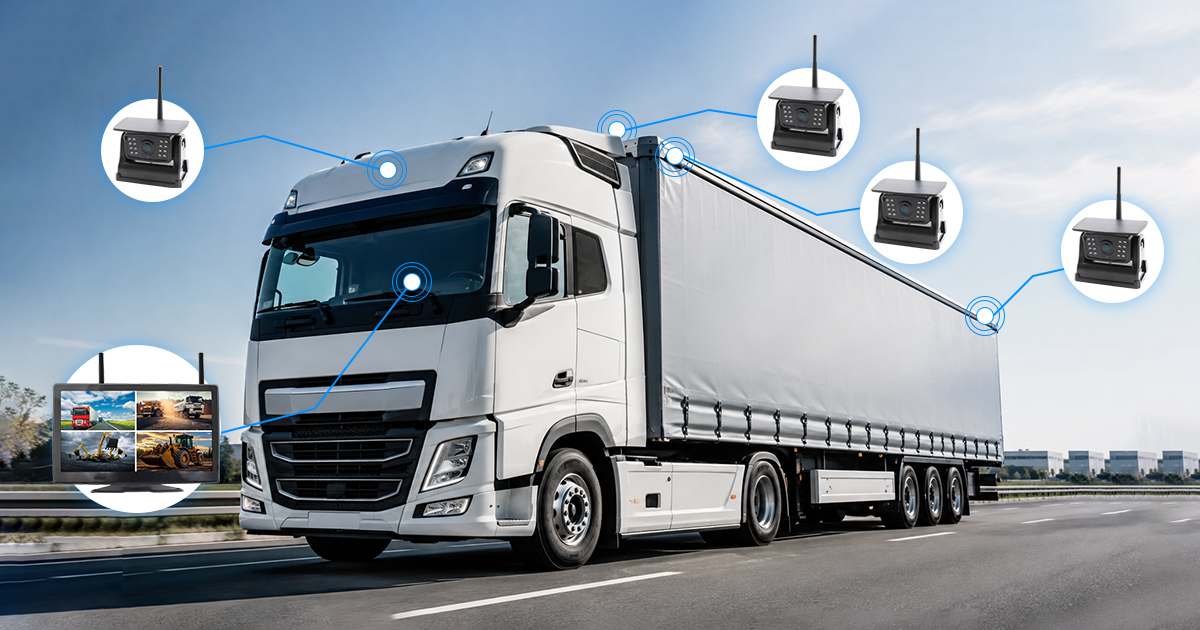
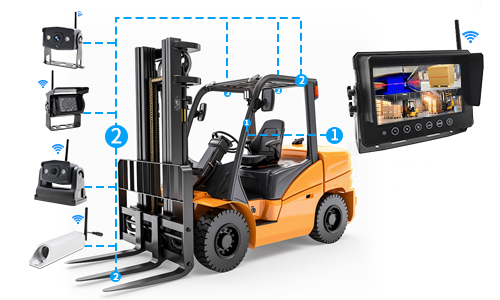
Wireless car rear cameras transmit video signals via radio frequency to a display unit, eliminating the need for extensive cabling.
Perfect for:
-
Aftermarket installations
-
Older vehicles lacking factory wiring
-
Temporary or portable setups
They offer flexible and easy installation, often with smartphone compatibility.
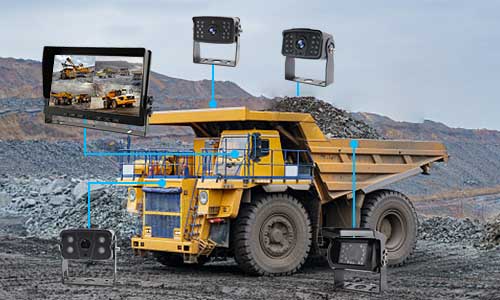
🛻 Heavy-Duty and Waterproof Cameras
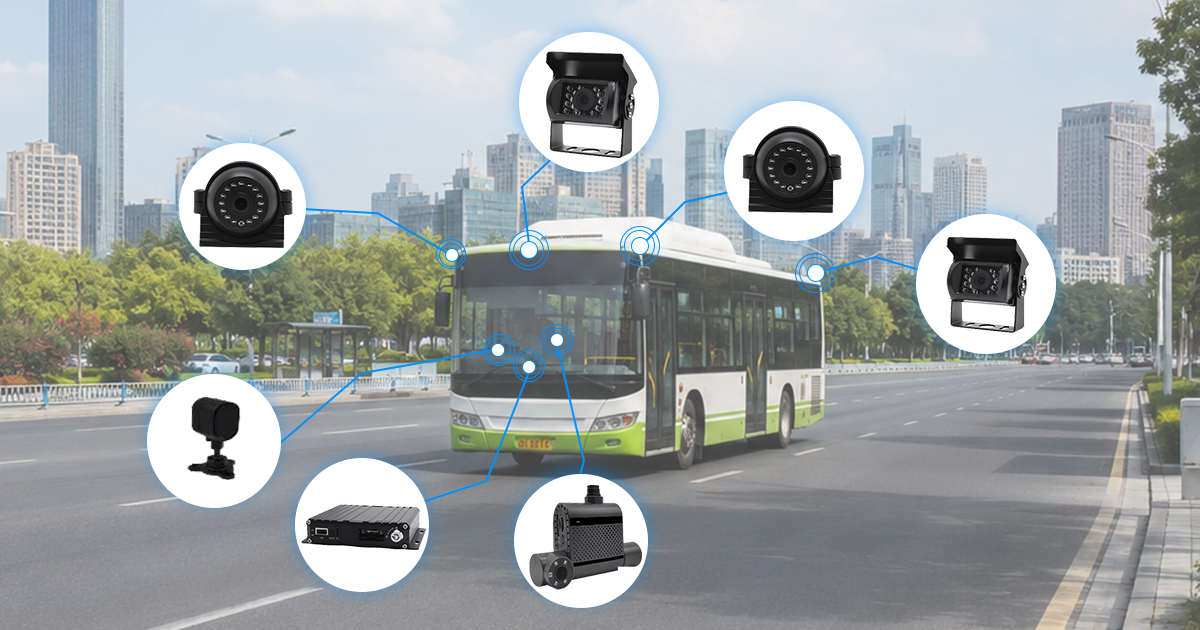
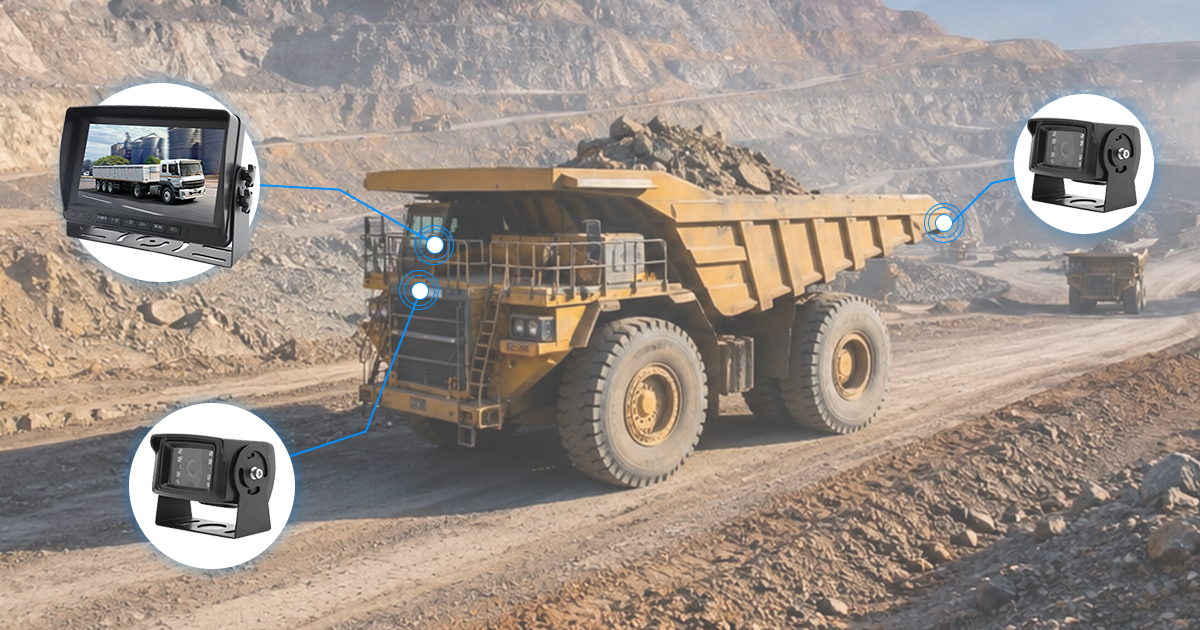
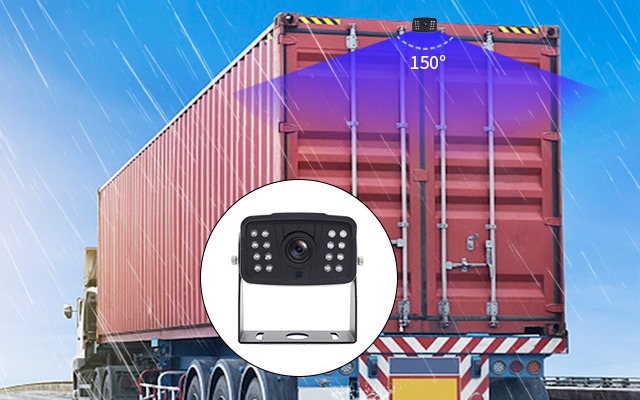
For trucks, buses, and off-road vehicles, rugged rear cameras are built to withstand extreme weather, dust, and vibration.
Applications include:
-
Construction vehicles
-
Agricultural machinery
-
Commercial delivery fleets
Their reinforced casing and waterproof ratings (often IP67 or higher) ensure long-term reliability.

🌟 Why Choose Yuweixin Group?
At Yuweixin Group, we specialize in providing a comprehensive range of car rear cameras tailored to different vehicle types and use cases. From standard rear-view units to advanced 360-degree systems, our solutions combine cutting-edge technology with reliability and ease of integration.
Why Yuweixin?
-
Wide selection of camera types for all vehicle categories
-
High-resolution imaging with night vision and waterproof options
-
Custom OEM and aftermarket support
-
Reliable performance with expert technical assistance
Contact us today to find the perfect rear camera solution for your vehicle—built for safety, performance, and peace of mind.