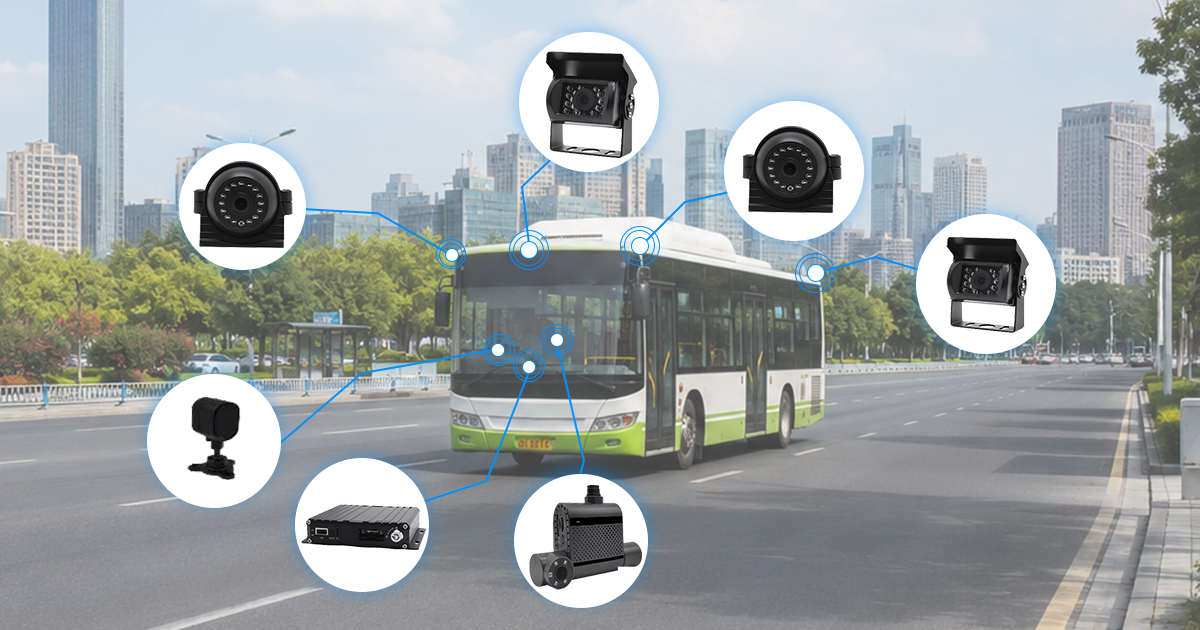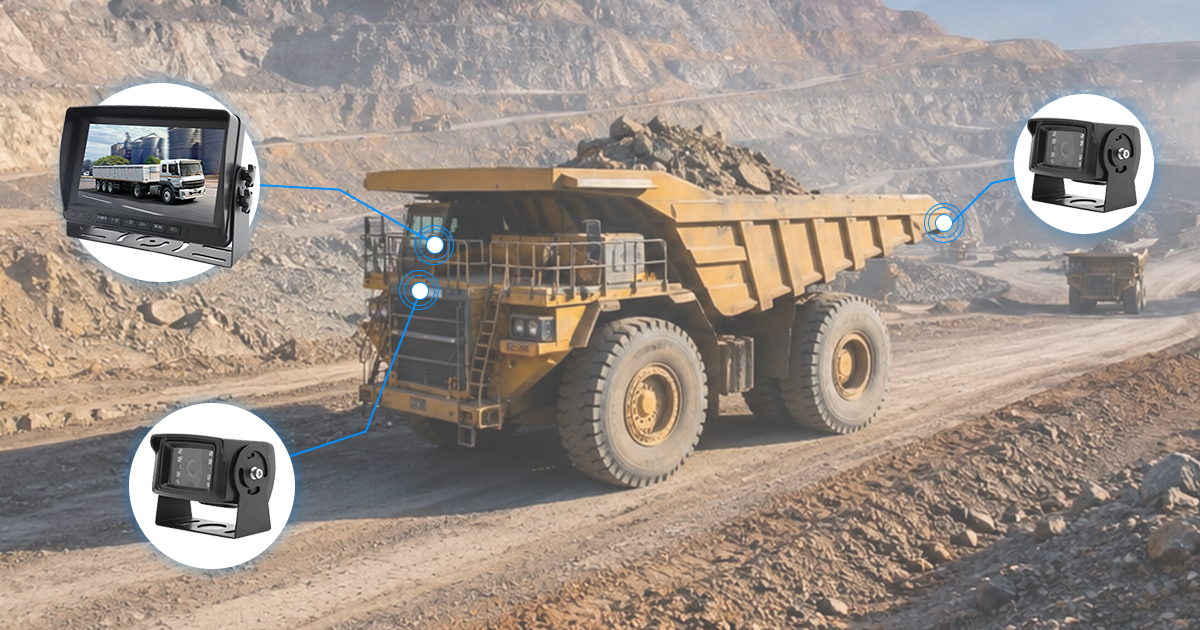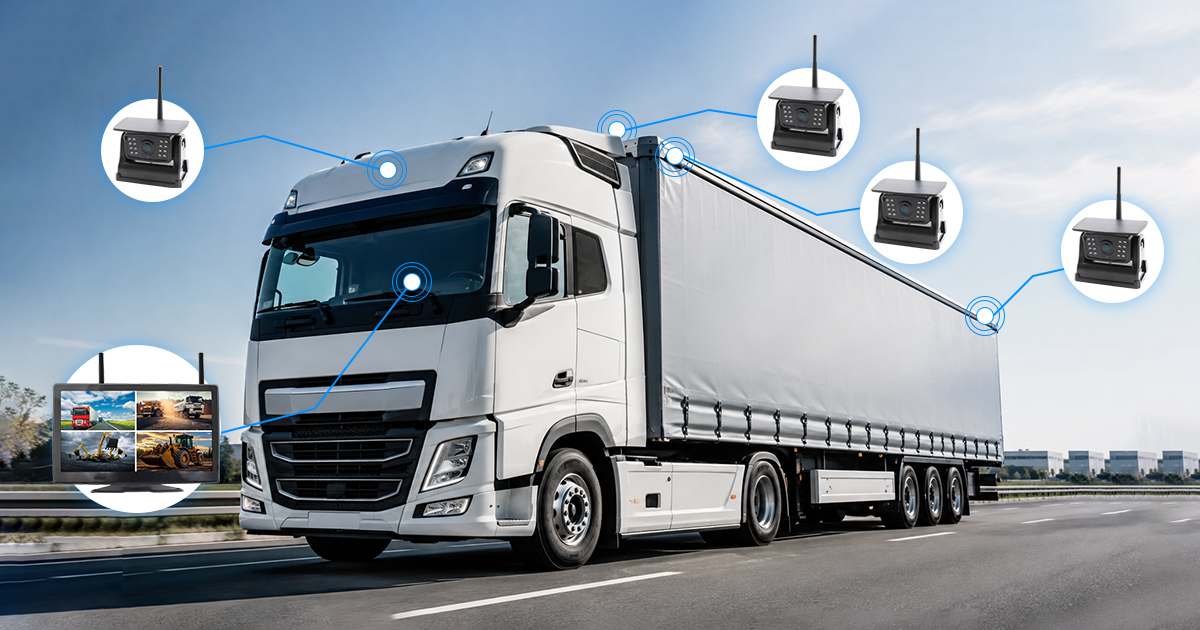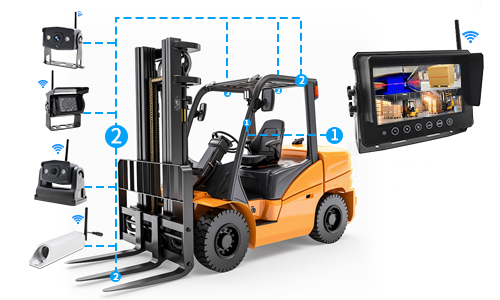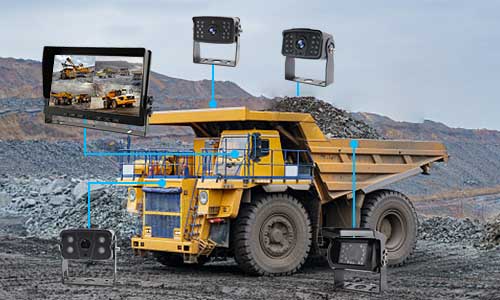
The evolution of automotive technology has accelerated dramatically. Modern vehicles now rely on sensors, cameras, and AI systems to enhance safety and convenience. Among these, car reversing aid camera systems have become essential. They not only assist drivers in parking but also serve as critical sensors for autonomous driving. These cameras enable collision avoidance, situational awareness, and smart parking, forming a key part of the vehicle’s perception system.
In traditional driving, car reversing aid camera systems reduce blind spots and prevent collisions with pedestrians or obstacles. They simplify parking, making maneuvers safer. However, in autonomous vehicles, their role expands. Cameras work alongside radar, LiDAR, and ultrasonic sensors to create a comprehensive perception framework, allowing vehicles to make accurate decisions in real time.
Car Reversing Aid Camera Systems as Core Sensors in Autonomous Driving
Autonomous vehicles depend on multiple sensors to interpret their surroundings. Reversing cameras provide high-resolution visual feedback of the rear environment. Unlike radar, which measures distance, cameras capture detailed imagery, helping AI systems recognize objects, lane markings, and pedestrians. By feeding this data into decision-making algorithms, vehicles can maintain precise navigation and avoid collisions.
Cameras also provide redundancy for safety. They validate data from radar or LiDAR, reducing false detections. For instance, ultrasonic sensors may detect an obstacle but cannot classify it. Cameras offer visual confirmation, allowing the system to distinguish between stationary and moving objects, ensuring safer operations.
Enhancing Autonomous Parking with Reversing Cameras
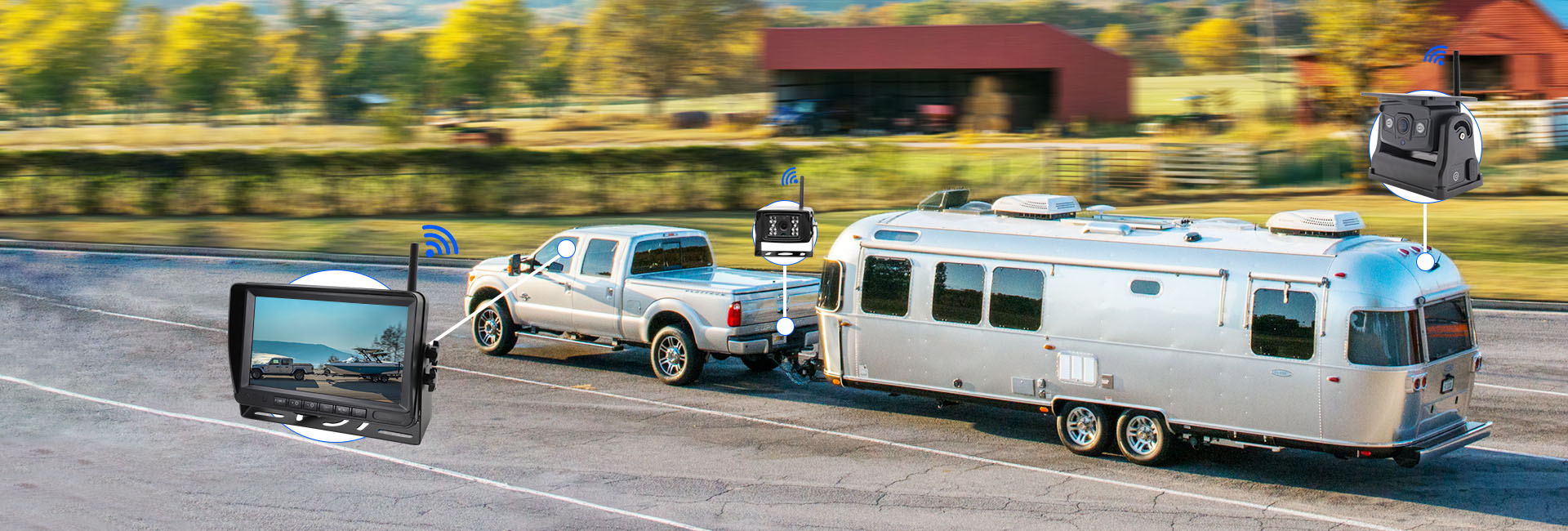
Autonomous parking is one of the most practical applications of reversing cameras. Maneuvers like parallel or tight-space parking are difficult even for skilled drivers. Cameras provide a clear view of obstacles and parking space boundaries. Integrated with AI algorithms, they allow vehicles to park accurately without human intervention.
Reversing cameras also enable vehicle-to-environment communication. In smart cities, they help cars detect parking availability and share data with other vehicles or infrastructure. This improves urban traffic flow and reduces congestion, advancing the broader ecosystem of autonomous mobility.
Integration with Advanced Driver Assistance Systems (ADAS)
Reversing cameras are indispensable in ADAS frameworks. They collaborate with lane departure warning, blind-spot monitoring, and cross-traffic alerts. By delivering real-time visual input, cameras enhance system reliability and response times.
For example, when reversing out of driveways, cameras detect cross-traffic and pedestrians. ADAS processes this information to determine safe trajectories. Advanced AI algorithms further classify objects, predict movement, and adjust vehicle speed, ensuring optimal safety in dynamic environments.
 Technological Innovations Driving Camera Performance
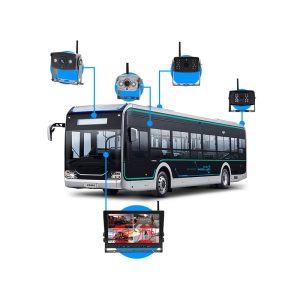
Recent innovations have significantly improved camera capabilities. High-definition imaging, wide dynamic range, and infrared night vision allow cameras to operate in diverse conditions. YUWX’s systems support real-time image processing, reducing decision latency and improving safety.
Adaptive image correction compensates for glare, shadows, or reflections. Night vision and thermal imaging enhance object detection in low light. AR overlays on infotainment screens provide trajectory guides and obstacle warnings, assisting both AI systems and drivers during complex maneuvers.
Challenges and Future Directions
Despite advances, challenges remain. Cameras may be affected by weather, dirt, or hardware issues. Self-cleaning lenses and protective coatings mitigate these risks. High-volume data processing is also critical. Autonomous systems must analyze camera feeds in real time for timely decision-making.
Future developments include integration with vehicle-to-everything (V2X) communication. Cameras will share visual data with other vehicles and infrastructure, improving collective situational awareness. Predictive AI will allow vehicles to anticipate pedestrian and vehicle movements, enhancing safety and autonomy.
Conclusion
Car reversing aid cameras have evolved from auxiliary tools to essential sensors in autonomous driving. They support smart parking, collision avoidance, and multi-sensor perception, ensuring safety, efficiency, and convenience.
YUWX’s car reversing aid camera system demonstrates reliability, precision, and readiness for future autonomous applications. As vehicles advance toward full autonomy, reversing cameras remain a cornerstone technology, bridging the gap between human-driven and fully autonomous vehicles. They provide a safer, smarter, and more efficient driving experience.