🚜 Forklift Monitoring System Use Cases
In modern warehouses and industrial environments, the forklift monitoring system plays a crucial role in improving safety, operational efficiency, and fleet management. These systems are becoming increasingly popular due to their ability to provide real-time data on forklift usage, performance, and driver behavior. In this blog, we’ll explore the key forklift monitoring system use cases and how they are transforming operations across various industries.
🛠️ What is a Forklift Monitoring System?
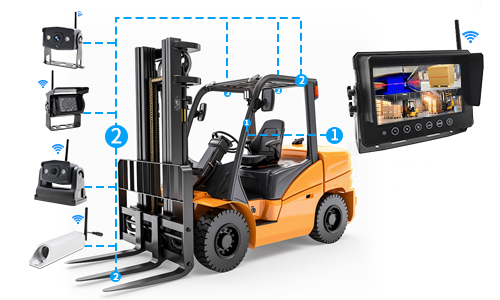
A forklift monitoring system is a sophisticated solution designed to track and monitor forklift activities in real time. The system typically includes GPS tracking, telematics, sensors, and cameras to capture data related to the forklift’s location, speed, load, maintenance status, and operator behavior. This data is then analyzed to provide insights that improve safety, reduce downtime, and optimize fleet management.
🔧 Key Use Cases of Forklift Monitoring Systems
The forklift monitoring system can be applied in various ways to enhance warehouse and industrial operations. Let’s look at some of the key use cases:
1. Improving Safety and Compliance
One of the primary use cases of a forklift monitoring system is enhancing safety within the workplace. Forklifts are powerful machines, and improper operation can lead to accidents or damage to goods. Monitoring systems track the driver’s behavior, such as speed, sudden stops, and erratic movements, and provide alerts when dangerous activities are detected. This ensures that operators follow safety protocols and helps companies comply with workplace safety regulations.
2. Preventing Equipment Damage
Forklifts are expensive assets, and preventing unnecessary wear and tear is critical to reducing maintenance costs. The forklift monitoring system can track the condition of the forklift, including engine health, tire pressure, fuel levels, and other vital metrics. By receiving real-time updates, warehouse managers can address issues before they lead to costly repairs or downtime. Predictive maintenance can also be scheduled based on data from the system, reducing unexpected breakdowns.
3. Enhancing Operational Efficiency
In busy warehouses and distribution centers, efficiency is key to meeting tight deadlines and maximizing productivity. The forklift monitoring system provides detailed insights into how forklifts are used throughout the day. This includes tracking the time spent on each task, the number of trips made, and overall utilization rates. Managers can analyze this data to optimize workflows, ensure the right forklifts are used for the right tasks, and identify areas for improvement.
4. Optimizing Fleet Management
Managing a fleet of forklifts can be complex, especially when dealing with large operations. The forklift monitoring system allows fleet managers to monitor the status of all forklifts in real time. GPS tracking enables managers to allocate resources efficiently, ensuring that forklifts are available where they are needed. It also helps in tracking fuel consumption, reducing operational costs, and ensuring that forklifts are not being overused or underused.
5. Tracking and Managing Operator Behavior
A forklift monitoring system can also be used to monitor operator behavior, ensuring that workers are following safe operating procedures. By tracking speed, load capacity, and the frequency of sharp turns or sudden stops, managers can identify any unsafe practices or training gaps. In turn, this data can be used to provide feedback to operators, improve their performance, and ensure that they are properly trained and qualified.
🚙 Benefits of Using Forklift Monitoring Systems
Implementing a forklift monitoring system brings several advantages that help streamline operations and improve overall performance:
1. Improved Safety: By tracking operator behavior and providing real-time alerts, forklift monitoring systems reduce the risk of accidents, injuries, and property damage.
2. Cost Savings: Real-time diagnostics and predictive maintenance help reduce repair costs and prevent costly downtime, allowing companies to extend the life of their equipment.
3. Enhanced Productivity: By optimizing forklift usage and streamlining workflows, these systems help increase efficiency, reduce delays, and improve overall productivity in warehouses and distribution centers.
4. Regulatory Compliance: Forklift monitoring systems help ensure that operations comply with safety standards and regulations, protecting the company from potential fines and legal issues.
5. Data-Driven Decision Making: The system provides valuable data that helps warehouse managers make informed decisions about fleet allocation, maintenance schedules, and operator training.

🏎️ Why Choose Yuweixin Group?
When it comes to implementing a forklift monitoring system, Yuweixin Group is a trusted leader in providing innovative and reliable solutions for businesses across various industries. Their advanced monitoring systems offer real-time tracking, predictive maintenance capabilities, and detailed analytics that help businesses optimize their forklift fleets.
Yuweixin Group is committed to providing tailored solutions that improve safety, increase efficiency, and reduce operational costs. With a focus on cutting-edge technology and customer support, Yuweixin Group ensures that your forklift fleet operates at its best, helping your business thrive.
For more information or if you have any questions, don’t hesitate to contact us. Our team is here to assist you in selecting the right monitoring system for your business needs.