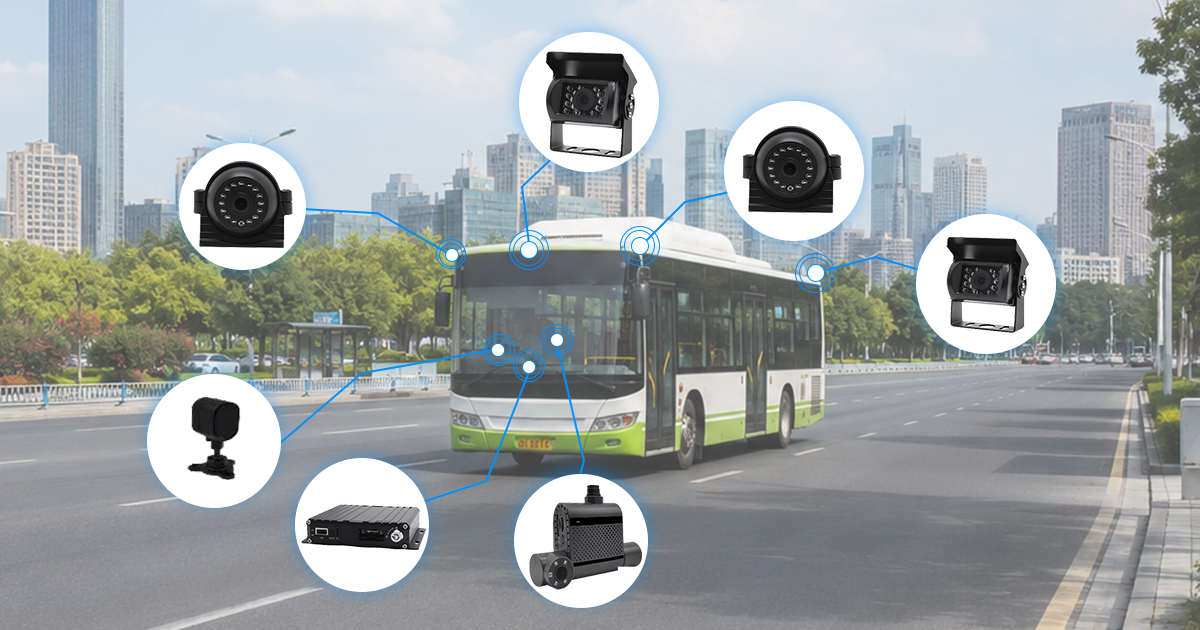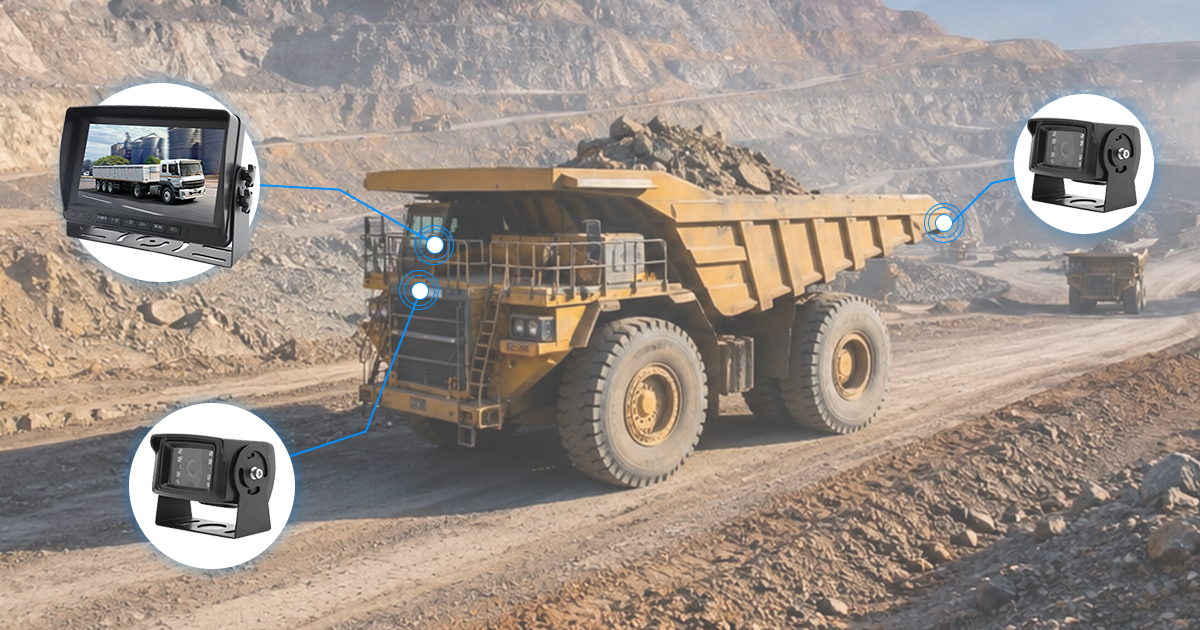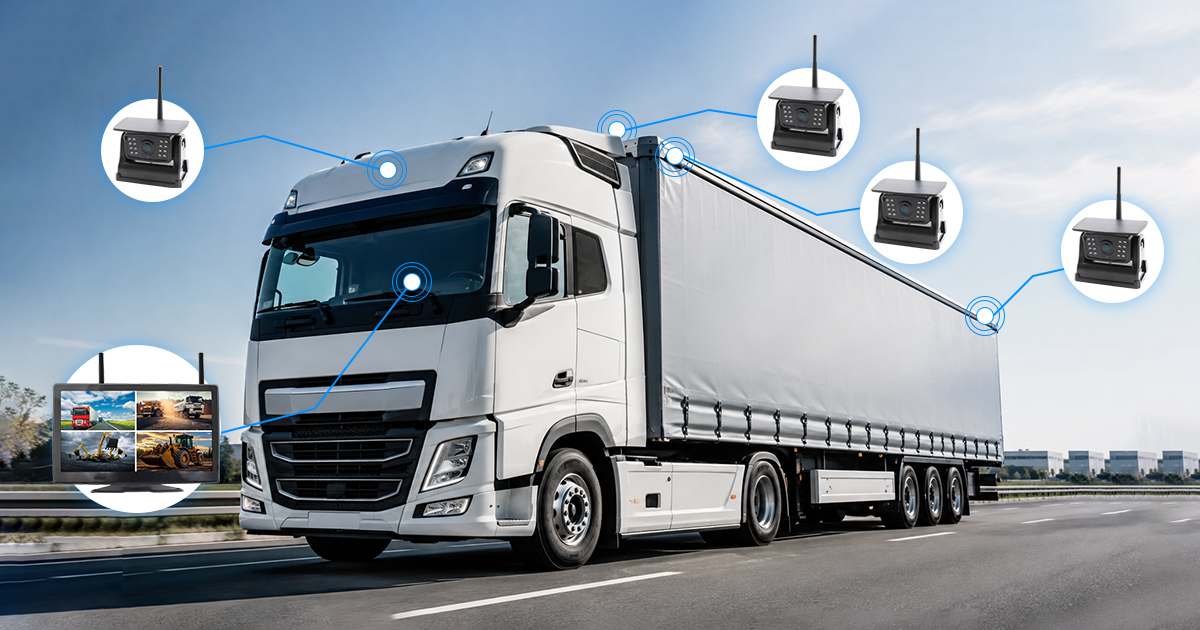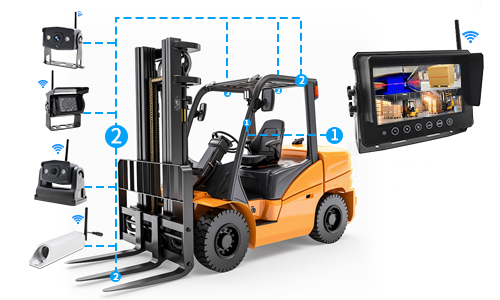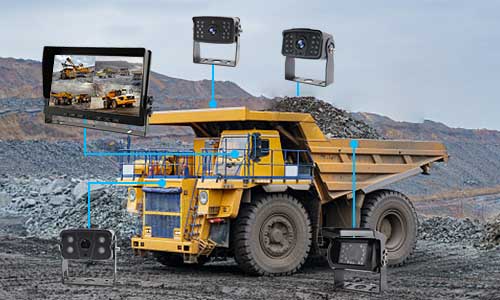
In the realm of vehicle surveillance, the integration of 2.4GHz reversing camera system kits has become increasingly prevalent due to their cost-effectiveness and ease of installation. However, these systems are often susceptible to a range of challenges that can compromise their performance. Understanding these issues and implementing effective solutions is crucial for ensuring reliable and high-quality surveillance.
1. Wireless Interference
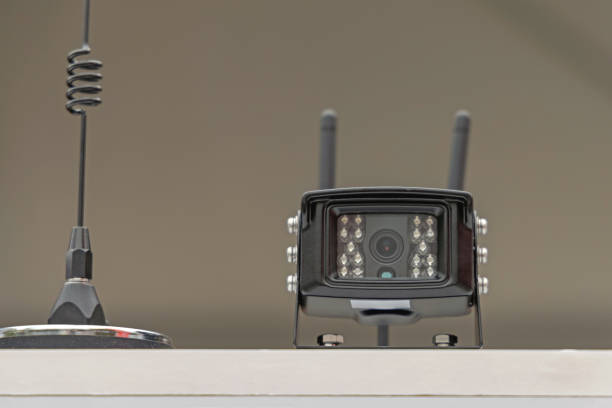
Problem: The 2.4GHz frequency band is commonly used by various household devices such as Wi-Fi routers, Bluetooth devices, microwave ovens, and baby monitors. This widespread usage leads to congestion and interference, which can disrupt the communication between cameras and their receivers.
Solution: To mitigate interference, it’s advisable to:
-
Change Wi-Fi Channels: Utilize non-overlapping channels (1, 6, or 11) to reduce interference.
-
Use 5GHz Band: If possible, switch to the 5GHz band for less congested communication.
-
Physical Separation: Maintain a physical distance between the camera system and other electronic devices operating on the same frequency.
2. Signal Saturation
Problem: In densely populated areas, multiple devices operating on the 2.4GHz band can lead to signal saturation, resulting in decreased performance and connectivity issues.
Solution: Implementing a dedicated 2.4GHz network for surveillance cameras can alleviate congestion. Additionally, using Wi-Fi extenders or mesh networks can help distribute the signal more evenly across the area.
3. Latency and Frame Loss
Problem: High latency and frame loss are prevalent issues in reversing camera system kits, often caused by network congestion, weak signal strength, or inadequate bandwidth.
Solution: To enhance performance:
-
Optimize Network Settings: Adjust Quality of Service (QoS) settings to prioritize camera traffic.
-
Increase Bandwidth: Ensure sufficient bandwidth is available to handle the data load from multiple cameras.
-
Signal Boosting: Use signal boosters or repeaters to strengthen the camera’s connection.
4. Improper Installation
Problem: Incorrect installation, such as poor camera placement or inadequate power supply, can lead to various operational issues.
Solution: Ensure proper installation by:
-
Optimal Camera Placement: Position cameras to cover desired areas without obstructions.
-
Stable Power Supply: Use reliable power sources and backup systems to prevent outages.
-
Regular Maintenance: Conduct routine checks and maintenance to ensure continuous operation.
 5. Environmental Factors
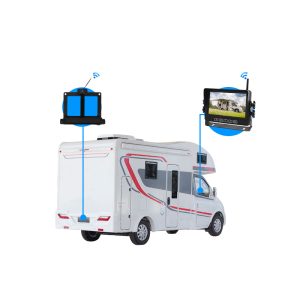
Problem: Environmental conditions such as weather, temperature fluctuations, and physical obstructions can affect the performance of reversing camera system kits.
Solution: Protect cameras from environmental factors by:
-
Weatherproof Enclosures: Use enclosures that shield cameras from adverse weather conditions.
-
Temperature Regulation: Implement measures to maintain optimal operating temperatures.
-
Obstacle Management: Ensure clear line-of-sight for cameras to minimize signal interference.
6. Compatibility Issues of Reversing Camera System Kits
Problem: Incompatibility between different camera models and network equipment can lead to connectivity and performance issues.
Solution: Ensure compatibility by:
-
Standardized Equipment: Use equipment that adheres to common standards and protocols.
-
Firmware Updates: Regularly update firmware to fix bugs and improve compatibility.
-
Professional Consultation: Seek expert advice when integrating new equipment into existing reversing camera system kits.
By addressing these common issues with 2.4GHz reversing camera system kits, users can enhance the reliability and effectiveness of their vehicle surveillance setups. Implementing the recommended solutions will lead to improved performance and greater peace of mind.