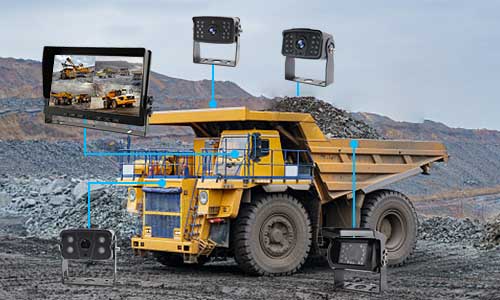
As the global automotive industry evolves, multi-view vehicle camera systems have become essential. In 2025, the market will see exponential growth driven by safety regulations, autonomous driving development, and consumer expectations. Manufacturers and tech suppliers are rapidly investing in smarter, more integrated visual solutions.
Rise of Visual Intelligence in Vehicles
To begin with, vehicles are no longer mechanical machines alone. They now integrate complex electronics and AI-based systems. Accordingly, multi-view vehicle camera systems serve as the eyes of modern vehicles, offering 360-degree perception.
Moreover, these systems enable drivers to make faster and safer decisions. Whether in parking, lane changing, or tight traffic, visual data improves reaction time significantly. That said, their applications go far beyond convenience.
Safety Regulations Drive Camera System Adoption
Another critical factor is regulation. Many countries have mandated rear-view cameras or 360-degree monitoring systems in new cars. For example, Europe and North America have strict safety protocols that incentivize multi-view camera integration.
Furthermore, in Asia-Pacific markets like China, India, and Japan, the emphasis on accident prevention accelerates adoption. This makes multi-view vehicle camera systems a global necessity rather than a luxury.
Supporting the Growth of Autonomous Driving
Equally important, autonomous and semi-autonomous vehicles rely heavily on multi-view camera inputs. They require precise spatial awareness from multiple angles. Radar and lidar support the effort, but cameras remain central to navigation logic and obstacle avoidance.
As a result, automotive OEMs, including electric vehicle startups and traditional manufacturers, are integrating camera modules into their platform design as early as the concept phase.
Advanced Features in 2025 Systems
In addition to traditional uses, newer multi-view vehicle camera systems offer features like:
-
AI-based object detection
-
Real-time stitching for seamless 360° display
-
Low-light and night vision capabilities
-
Integration with ADAS (Advanced Driver Assistance Systems)
Each improvement brings better data accuracy, faster image processing, and more intuitive feedback for users. Hence, global demand rises across sectors—from passenger cars to commercial fleets.
Fleet Management and Logistics Applications
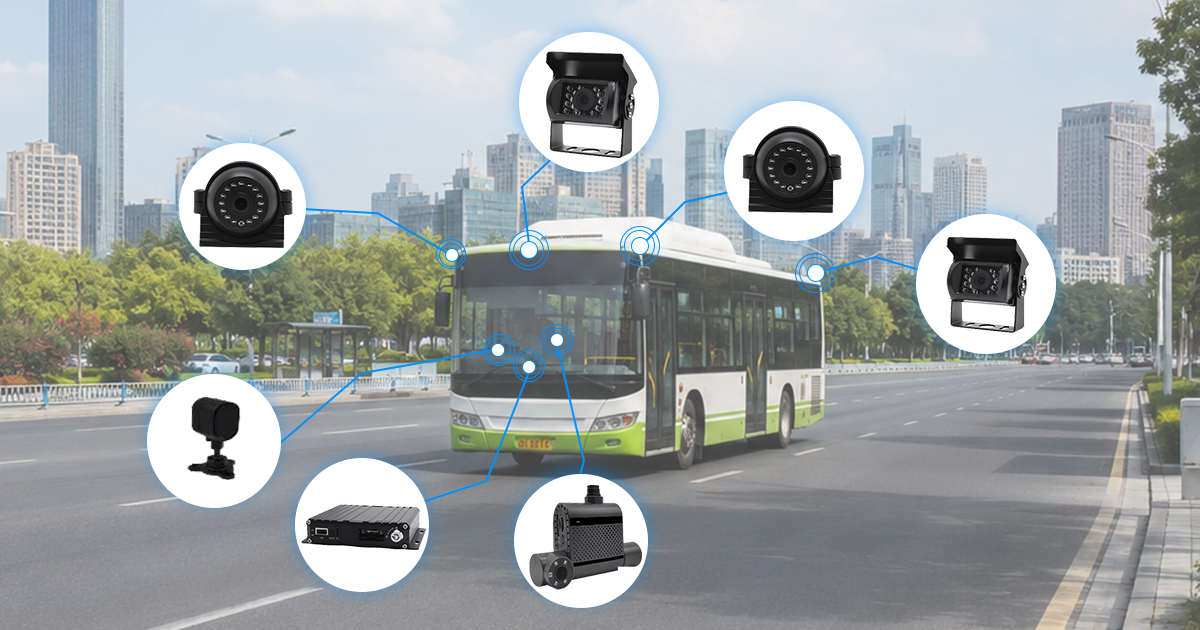
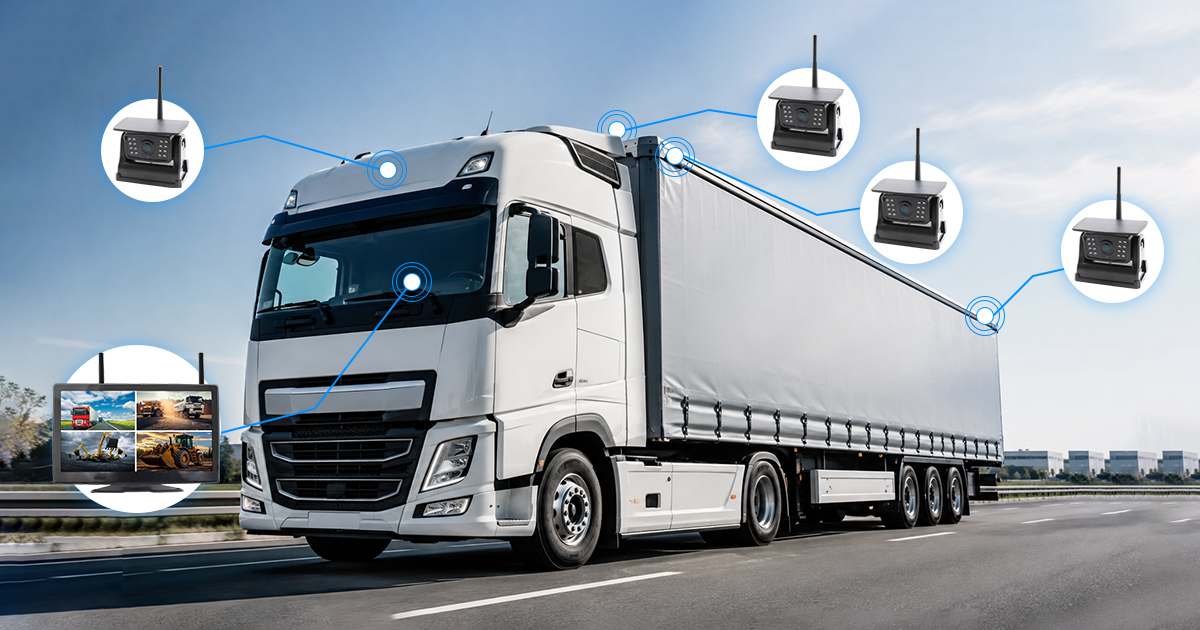
Beyond personal use, logistics and delivery sectors adopt multi-view vehicle camera systems for safety and optimization. Fleet managers monitor routes, prevent accidents, and reduce insurance costs through continuous video recording.
Moreover, with the rise of smart cities and vehicle connectivity, camera data supports traffic management, law enforcement, and urban planning.
Technological Challenges and Industry Response
Nevertheless, challenges remain. Image latency, power consumption, sensor calibration, and weather resistance are key engineering hurdles. However, suppliers now address these through:
-
Compact camera modules with higher resolution
-
Fog-resistant lenses and wide dynamic range (WDR)
-
Smart mounting for seamless integration
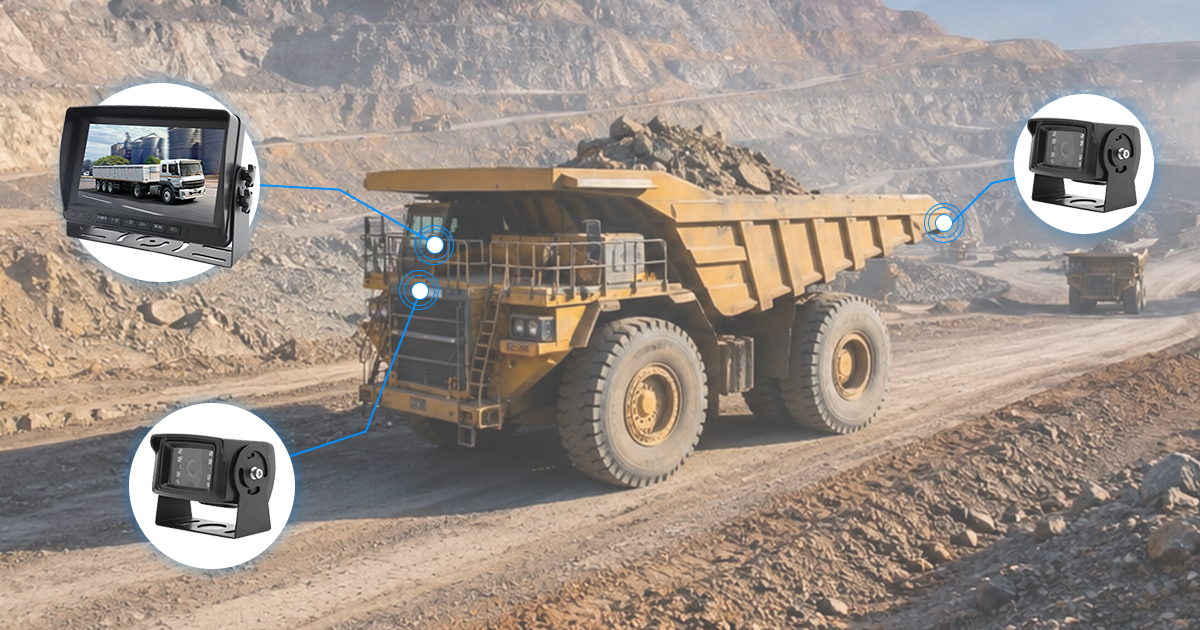
Thus, multi-view vehicle camera systems are becoming both rugged and intelligent, ideal for diverse vehicle environments.
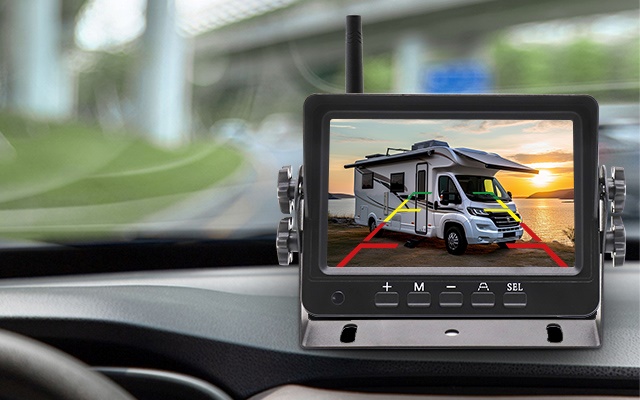
Growth in Aftermarket and Custom Upgrades
Not all cars come equipped with these systems. Therefore, aftermarket demand for retrofit kits is booming. Car owners increasingly seek upgrades that match OEM-level performance. Many businesses now offer custom packages for specific vehicle models.
As a result, multi-view vehicle camera systems have opened new revenue streams across the supply chain—from component makers to software integrators.
Global Market Outlook for 2025 and Beyond
According to recent market studies, the global multi-view camera system market is expected to surpass USD 12 billion by 2025. This represents a CAGR of over 16% from the previous five years.
Key regions driving growth include:
-
North America: Driven by tech adoption and EV development
-
Europe: Reinforced by regulatory compliance and safety mandates
-
Asia-Pacific: Powered by urbanization and the fast-growing EV market
These trends reflect a broader transformation in automotive safety and intelligence.
Conclusion: Cameras Define the Future of Driving
Ultimately, multi-view vehicle camera systems symbolize the fusion of vision, safety, and automation in mobility. As 2025 progresses, these systems are no longer add-ons—they are foundational to how vehicles operate.
Manufacturers who prioritize these technologies gain a market edge. More importantly, users experience enhanced safety, smoother navigation, and better control.
For stakeholders in automotive design, electronics supply, and fleet operations, embracing multi-view camera solutions is not optional. It’s essential.